500 Hours Yoga Teacher Training Course: A Step Toward Mastering Yoga
Teaching the same foundational sequences eventually loses its edge. You start craving the mechanical reasons behind the postures. You want to understand the lineage of the movement rather than just reciting a script. Enrolling in a 500-hour yoga teacher training course closes the space between a casual instructor and a master educator. It fuses a base 200-hour certification with an intense 300-hour block of physical and mental discipline.
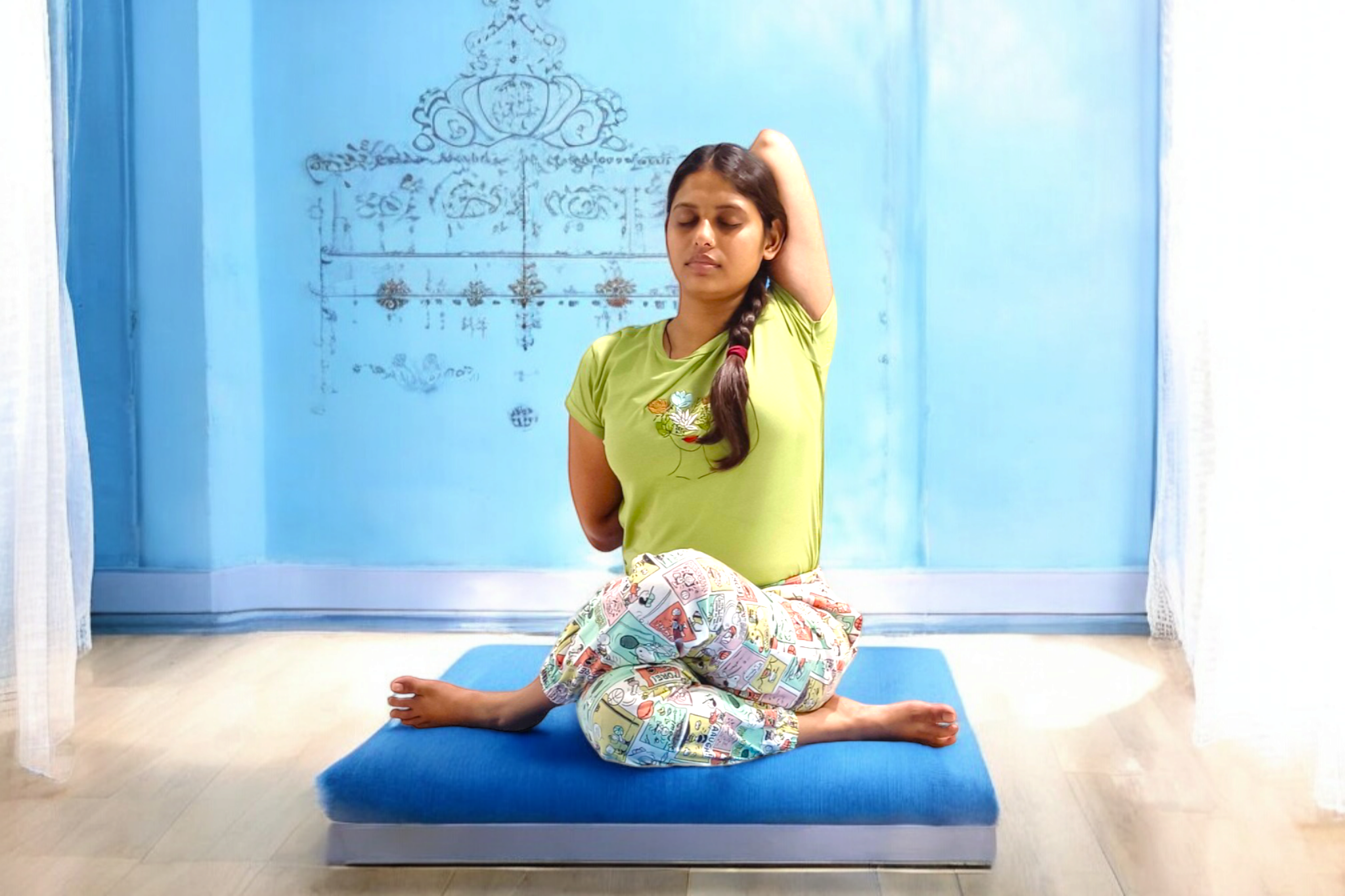
This training demands grit. Trainees spend months dissecting old texts, practising hands-on adjustments, and reading different body types under pressure. The curriculum drops the generic cues and forces you into the subtle details of alignment, diaphragm mechanics, and room management.
Ways the 500-Hour Yoga Teacher Training Course Helps You Master Yoga
1. Mastering Tactile Adjustments
Most instructors freeze when a student wobbles in a headstand or crow pose. Advanced training strips down the physics of inversions and arm balances. You learn exactly where to place your hands to stabilise a student without knocking them off balance. Repetition builds the confidence to spot a collapsed shoulder and physically correct it before the student falls.
2. Decoding Skeletal Mechanics
Memorising muscle groups is the baseline. Now you map the fascia, examine joint limitations, and study how the nervous system reacts to tension. You stop blaming a student for failing a deep backbend and start recognising the skeletal compression stopping them. This knowledge lets you offer precise, structural modifications for a torn rotator cuff instead of just telling someone to “try harder.”
3. Applied Studio Philosophy
Asana is just the surface. Moving through a 500-hour yoga teacher training course forces you to grapple with the Yoga Sutras and the Bhagavad Gita. But you do not just read them. You debate how to apply ancient ethical rules to a room full of burnt-out corporate workers without sounding like a lecturer. The philosophy becomes a practical tool for shaping student behaviour and setting the tone of your room.
4. Structuring with Purpose
Building a peak sequence requires architectural logic. You do not just throw poses together. A core component of a 500-hour yoga teacher training course involves mapping out specific fascial lines, warming up the exact hip flexors and shoulder joints needed to safely hit King Pigeon. You also learn the mechanics of the cool-down, neutralising the spine so the nervous system actually settles before the final resting pose.
5. Nervous System Regulation
Pranayama is not just heavy breathing. You study specific inhalation ratios that force the parasympathetic nervous system online or generate intense internal heat. Trainees practice leading 20-minute breathwork blocks. You learn to watch the room, identify a student who is hyperventilating, and dial the energy back down instantly.
6. Commanding the Room
Standing in front of fifty bodies requires vocal power and deliberate pacing. Advanced training throws you in front of your peers for aggressive live critiques. If your voice shakes, if you use filler words, or if you ignore the back row, you hear about it immediately. Breaking these crutches builds a grounded, authoritative presence that students trust by default.
7. The Reality of the Business
Knowing the anatomy matters very little if your classes sit empty. The fitness industry is brutal, and advanced curricula treat it as a business. You break down liability insurance, learn to negotiate studio splits, and price out private clients. You figure out your target demographic and draft a sustainable financial plan that prevents burnout.
8. Adapting for Specialised Populations
The standard 200-hour certification assumes a healthy, able-bodied room. Reality brings pregnant women, seniors managing osteoporosis, and athletes recovering from torn ligaments to your mat. Advanced modules force you to study precise contraindications for these specific groups. You stop guessing which twists are safe during a third trimester. Reach Vangmay Yoga classes for the best results.
9. Stripping Away the Teacher Persona
New instructors default to mimicking the people who taught them. They steal playlists, copy pacing, and force a soft, unnaturally calm voice. This training aggressively breaks that habit. Finding your actual voice requires vulnerable, uncomfortable repetition. You record your cues, listen to the playback, and ruthlessly cut the performative spirituality from your script.
10. Handling Trauma Responses in Real Time
Deep hip openers and sustained backbends often trigger unexpected emotional releases on the mat. A novice instructor usually panics, rushing over to comfort a crying student and inadvertently making them feel exposed. Advanced modules teach the concrete mechanics of trauma-informed space holding. You learn to recognise the physical signs of sudden nervous system dysregulation
Final Thoughts
Graduating from a 500-hour yoga teacher training course permanently shifts your relationship with the mat. Programs give you the authority to take on specialised clients, host international retreats, and design workshops that actually sell. You stop relying on borrowed routines and establish a distinct, recognisable teaching voice.
The certificate on the wall just proves you passed the tests. The real outcome is the undeniable competence you carry into the studio, separating casual instructors from dedicated career educators. If you are ready to stop reciting scripts and start teaching with conviction, explore the advanced curriculum at Vangmay Yoga and secure your spot in the next cohort today.