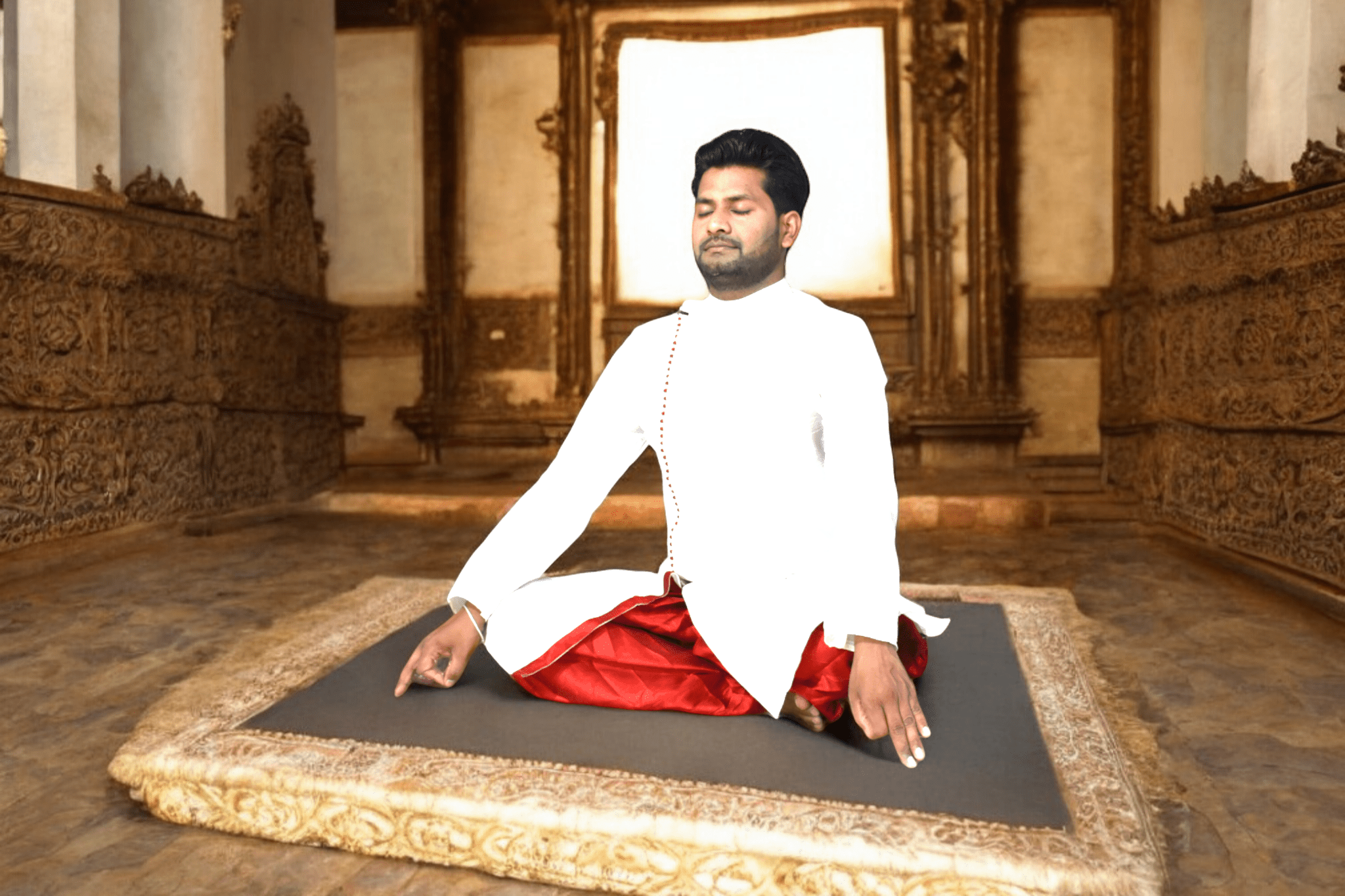
Choosing a 200-Hour Yoga Teacher Training Course: Key Factors to Consider
Taking the leap into yoga teacher training is a huge move for anyone. Serious, actually. Whether a person wants to teach full-time or just wants to get deeper into daily mat time, finding the right path gets confusing fast. So, this is the thing. With hundreds of schools around, every single place claims to change lives. But they are clearly not all built the same way. People know how it goes.
A clear head and a simple list of things that actually matter are needed before spending a dime. Signing up for a 200-hour yoga teacher training course takes a massive chunk of time, effort, and cash. Asking tough questions early saves students from a ton of headaches later. It really does.
7 Key Factors You Must Consider When Selecting a 200-Hour Yoga Teacher Training Course
1. Accreditation and Certification
First off, checking if the school is registered with big global groups is smart. A certificate is not always needed by law to teach in a park or at home. But most studios, gyms, and insurance companies will ask for one before they ever let anyone lead a class. Everyone knows that. Having that badge makes getting hired way easier for new teachers.
On top of that, an accredited course forces the school to teach actual basics. They have to spend real hours on real topics. Things like body mechanics, basic philosophy, breath work, and how to fix a pose safely. It is really helpful to look up the school on the directory website before sending any cash. Like, just to be sure.
2. Syllabus and Curriculum Depth
Every yoga studio teaches differently. Some focus heavily on how muscles work and how to stop injuries. Others talk for hours about old books and chanting. Asking for a day-by-day lesson plan before signing up is a good idea. Honestly, it makes a huge difference.
A good course gives tons of time to stand up, teach classmates, and get honest feedback. Sitting in lectures all day won’t build confidence. This is where picking the right 200-hour yoga teacher training course really matters for anyone who wants to feel ready on day one. Graduates should leave knowing how to build safe, smart classes for real everyday people.
3. Lead Instructors and Mentorship
The main teachers run the whole show. Looking at who is actually teaching the daily lessons is a must. Check how long they have been doing it, and if they have trained teachers before. Look, let’s be real. Someone might lead an amazing, sweaty workout class. But that doesn’t mean they know how to train future instructors.
Trying a quick class with them first is best. You can reach Vangmay Yoga for the best classes on yoga. In the case of an online class, sending an email with a few direct questions works too. So, yeah. Seeing how fast they reply and how they talk tells a prospective student almost everything.
4. Yoga Style and Lineage
Yoga isn’t just one thing. Some places teach slow stretching, while others focus on fast movements, heat, or strict rules. Picking a course that matches what a person actually likes doing on the mat every day is key. So, that is just how it works. Forcing through a style someone hates for weeks will feel like torture. Trust this fact.
Where the teachings come from matters too. Some schools mix four different styles together to give a taste of everything. Others stick strictly to one tradition. Future teachers must figure out if they want a quick mix or a deep focus right from the start. This is totally up to the individual.
5. Format, Location, and Schedule
Training usually happens in two ways. Fast retreats or slow weekend modules. Going away for three or four weeks lets people drop everything else and live yoga non-stop. Everyone knows how it is. It gets super tough on the body and head. But being totally immersed changes things fast.
On the other hand, doing weekend classes over six months lets people go to work and stay with family. Finding the best format for a 200-hour yoga teacher training course mostly depends on a person’s everyday schedule and how fast they absorb information. Having space between weekends lets ideas sink in better for a lot of folks.
6. Class Size and Community Culture
Asking how many students are let into one class is super important. If there are forty or fifty people packed into one room, the main teacher won’t have time to fix postures or talk one-on-one. Not ideal at all. Smaller groups mean more attention, better feedback, and time for questions.
The people in the class often become close friends. Reading review comments online or messaging past students helps figure out what the environment is like. People do this just to catch the real vibe. A friendly, simple room makes practising teaching way less terrifying.
7. Total Cost and Included Value
Prices are all over the place. Reading the fine print shows what students actually get for the money. Are books included? What about test fees, food, or a place to sleep? It is super helpful to add up every single hidden fee ahead of time so no one gets stuck later. Money matters, right?
The cheapest option isn’t always terrible. But high prices don’t guarantee good teaching either. Looking for clear pricing, payment plans, or discounts for paying early helps. Spending money on a school that offers help even after the program finishes gives way better value over time. It really pays off.
Conclusion
Picking a 200-hour yoga teacher training course is a big deal that shapes the whole journey ahead. By looking closely at real stuff like accreditation, teacher experience, and the daily schedule, future instructors can find a program that actually fits their life. So, keeping that in mind helps.
Trusting the gut while doing research still remains the best way. You can forever trust the yoga classes of Vangmay Yoga for this course. When a school feels right, everything falls into place pretty smoothly. Taking time, asking every question, and enjoying the ride makes the whole thing better. It all works out in the end.